What is Liver Failure?
Liver failure, also known as hepatic failure, occurs when the liver is severely damaged and can no longer perform its essential functions. The liver is a vital organ responsible for numerous critical processes, including filtering toxins from the blood, producing proteins and clotting factors, metabolizing drugs, storing vitamins and minerals, and aiding in digestion. When the liver fails, toxins build up in the bloodstream, leading to a cascade of systemic problems that can be life-threatening [1, 2].
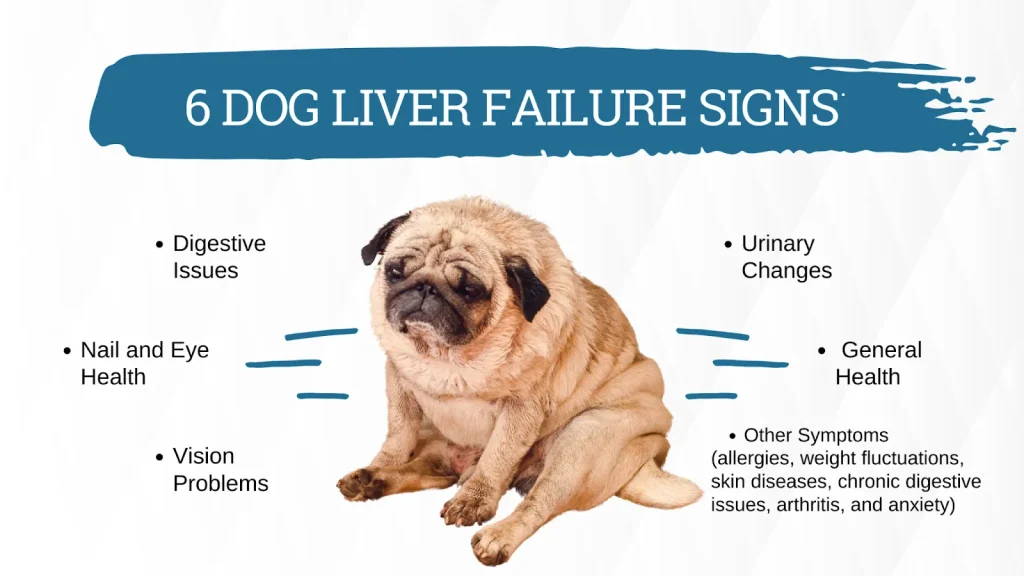
Liver failure can be acute (sudden onset) or chronic (gradual progression). Acute liver failure is often caused by toxins (e.g., certain medications, poisonous plants), infections, or sudden severe injury. Chronic liver failure typically results from long-term liver diseases, such as chronic hepatitis, cirrhosis, or certain metabolic disorders. Symptoms can be varied and non-specific, often including lethargy, loss of appetite (anorexia), vomiting, diarrhea, weight loss, increased thirst and urination, and jaundice (yellowing of the skin, gums, and whites of the eyes). In advanced stages, neurological signs such as disorientation, seizures, or coma (hepatic encephalopathy) can occur due to the accumulation of toxins like ammonia in the brain [1, 3, 4].
How Veterinarians Manage Liver Failure
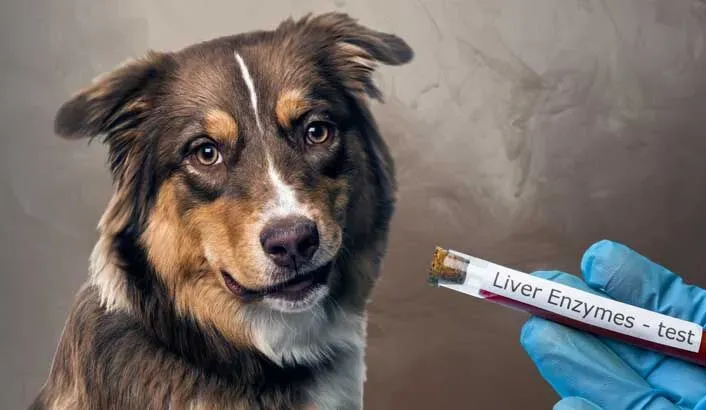
- Diagnosing liver failure involves a combination of blood tests (to assess liver enzyme levels, bilirubin, albumin, and clotting times), urine tests, and often imaging studies such as ultrasound to visualize the liver and surrounding structures. A liver biopsy may be necessary for a definitive diagnosis and to determine the underlying cause and extent of damage.
- Management of liver failure focuses on supporting liver function, managing symptoms, and addressing the underlying cause if possible. Treatment strategies often include:
- Fluid Therapy: Intravenous fluids are crucial to maintain hydration, correct electrolyte imbalances, and support circulation.
- Nutritional Support: A specialized diet that is highly digestible, with controlled protein levels (to reduce ammonia production) and supplemented with vitamins (especially B vitamins and Vitamin K) and antioxidants, is often recommended. In severe cases, feeding tubes may be necessary [5].
-
Medications: Various medications may be used to manage specific complications:
- Lactulose: To reduce ammonia absorption from the gut and prevent hepatic encephalopathy.
- Antibiotics: To control bacterial overgrowth in the intestines that can produce toxins.
- Anti-emetics: To control vomiting.
- Ursodeoxycholic acid: To improve bile flow and protect liver cells.
- Vitamin K: To correct clotting deficiencies.
- Detoxification: If a toxin is suspected, measures to eliminate or neutralize it are taken.
- Managing Complications: This includes managing ascites (fluid in the abdomen) with diuretics or therapeutic abdominocentesis, and controlling seizures.
- Regular monitoring of blood work and clinical signs is essential to assess the pet's response to treatment and adjust the management plan.
When Euthanasia Might Be an Option
- Making the decision to consider euthanasia for a pet with liver failure is an incredibly difficult and emotional choice. Despite dedicated medical care, liver failure is a severe and often progressive condition. There comes a point when the liver damage is so extensive that the pet's suffering can no longer be adequately managed, and their quality of life is severely compromised. This compassionate choice is made out of profound love to prevent prolonged distress and ensure a peaceful end. Euthanasia might be considered in situations such as:
- Unmanageable Neurological Signs: If your pet experiences severe and persistent hepatic encephalopathy, leading to profound disorientation, seizures, or coma that cannot be controlled with medication, causing significant distress and a complete loss of quality of life.
- Intractable Vomiting and Anorexia: When your pet suffers from severe, persistent vomiting and refuses to eat, leading to rapid weight loss, malnutrition, and dehydration that cannot be managed with aggressive supportive care.
- Severe Bleeding Disorders: If the liver's inability to produce clotting factors leads to uncontrollable bleeding (e.g., internal hemorrhage, persistent nosebleeds) that severely compromises the pet's health and causes distress.
- Poor Quality of Life: Despite all medical interventions, your pet's overall well-being has deteriorated significantly. This can manifest as extreme lethargy, constant discomfort, disinterest in previously enjoyed activities, or a general inability to experience comfort or joy.
- Progressive Organ Dysfunction: When the liver failure leads to the failure of other vital organs (e.g., kidneys), creating a multi-systemic crisis that is irreversible.
- Treatment Futility: When all available and appropriate treatment options have been exhausted, and the disease continues to progress, or when the side effects of further treatment would cause more suffering than benefit, leaving no hope for recovery or improved quality of life.
- Choosing euthanasia in these profound moments is an act of ultimate love and selflessness, allowing your cherished companion to pass away with dignity and peace, free from pain, in the comfort of their familiar surroundings.
Our Compassionate Support
Contact Us
If you are facing this difficult decision or simply wish to learn more about our services, please do not hesitate to reach out. We are here to offer guidance, support, and
compassionate care. You can contact us on 1300 580 777 or email us at contactus@goodbyemate.com.au.
References
[1] VCA Animal Hospitals. Liver Failure in Dogs. Retrieved from https://vcahospitals.com/know-your-pet/liver-failure-in-dogs
[2] PetMD. (2022, November 28). Liver Disease in Cats. Retrieved from https://www.petmd.com/cat/conditions/digestive/c_ct_liver_disease
[3] Veterinary Partner. Liver Disease in Dogs. Retrieved from https://veterinarypartner.vin.com/default.aspx?pid=19239&id=4951509
[4] Cornell University College of Veterinary Medicine. Hepatic Lipidosis (Fatty Liver Disease). Retrieved from https://www.vet.cornell.edu/departments-centers-and-institutes/cornellfeline-health-center/health-information/feline-health-topics/hepatic-lipidosis-fatty-liverdisease
[5] Today’s Veterinary Practice. Nutritional Management of Liver Disease. Retrieved from https://todaysveterinarypractice.com/nutrition/nutritional-management-liver-disease/