

What is Diabetes Mellitus?
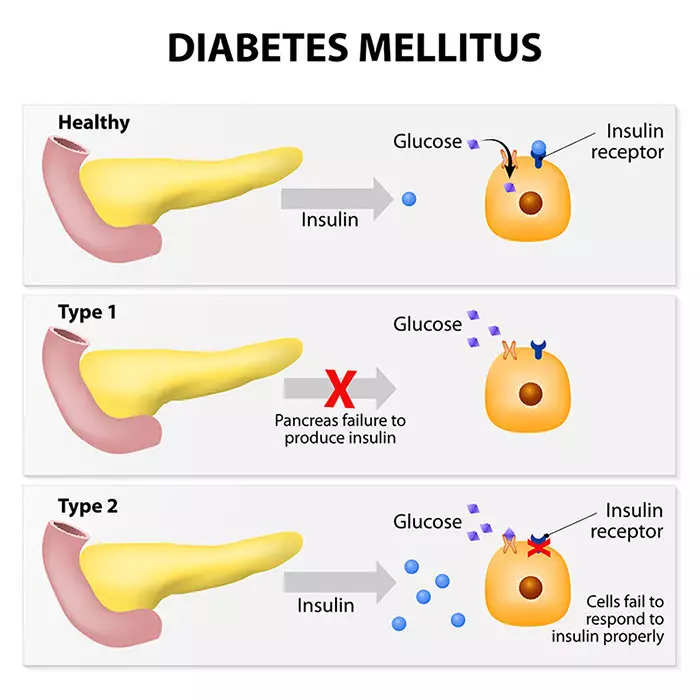
- Diabetes Mellitus is a common metabolic disease in dogs and cats, characterized by the body's inability to produce or effectively use insulin, a hormone essential for regulating blood sugar (glucose) levels. Glucose is the primary source of energy for the body's cells, and without proper insulin function, glucose accumulates in the bloodstream (hyperglycemia) instead of entering the cells. This leads to a state of cellular starvation despite high blood sugar, and the excess glucose is then excreted in the urine [1, 2].
- There are two main types of diabetes in pets:
- Type I (Insulin-Dependent Diabetes Mellitus - IDDM): More common in dogs, this type occurs when the pancreas is unable to produce enough insulin due to the destruction of insulin-producing cells. Pets with Type I diabetes require lifelong insulin injections [1].
- Type II (Non-Insulin-Dependent Diabetes Mellitus - NIDDM): More common in cats, this type occurs when the body either doesn't produce enough insulin or the cells don't respond properly to the insulin that is produced (insulin resistance). Some cats with Type II diabetes can achieve remission with aggressive management, but many still require insulin [2].
- Common symptoms of diabetes include increased thirst (polydipsia), increased urination (polyuria), increased appetite (polyphagia) despite weight loss, and lethargy. In dogs, cataracts (cloudy eyes) are a common complication. In cats, weakness in the hind legs (diabetic neuropathy) can occur. If left untreated, diabetes can lead to severe complications such as diabetic ketoacidosis (DKA), a life-threatening condition requiring emergency veterinary care [1, 3, 4].
How Veterinarians Manage Diabetes Mellitus
- Diagnosing diabetes involves blood tests (to measure blood glucose levels and fructosamine, which indicates average blood glucose over time) and urine tests (to check for glucose and ketones). Once diagnosed, the primary goal of management is to regulate blood sugar levels, alleviate symptoms, and prevent complications. This typically involves:
- Insulin Therapy: For most diabetic pets, especially dogs with Type I diabetes and many cats, daily insulin injections are necessary. The veterinarian will determine the appropriate type and dose of insulin, and owners will be taught how to administer injections at home [5, 6].
- Dietary Management: A consistent, high-fiber, complex carbohydrate diet is often recommended for dogs to help regulate blood sugar. For cats, a high-protein, lowcarbohydrate diet is often preferred to promote weight loss and potentially achieve diabetic remission [7, 8].
- Consistent Routine: Maintaining a consistent feeding and insulin administration schedule is crucial for effective blood sugar control.
- Monitoring: Regular monitoring of blood glucose levels (either at home with a glucometer or through continuous glucose monitors) and clinical signs is essential to adjust insulin dosages and ensure optimal control. Urine testing for glucose and ketones may also be recommended [9].
- Weight Management: For overweight or obese diabetic pets, weight loss is a critical component of management, as it can improve insulin sensitivity.
- Addressing Complications: Prompt treatment of any complications, such as urinary tract infections, cataracts, or DKA, is vital. With diligent management, many diabetic pets can live long, happy, and comfortable lives [10].
When Euthanasia Might Be an Option
- Making the decision to consider euthanasia for a pet with Diabetes Mellitus is an incredibly difficult and emotional choice. While diabetes is often manageable, there are situations where the disease becomes uncontrollable, complications arise, or the pet's quality of life severely declines despite all efforts. This compassionate choice is made out of profound love to prevent prolonged suffering and ensure a peaceful end. Euthanasia might be considered in situations such as:
- Uncontrolled Blood Sugar: If blood glucose levels remain consistently high or fluctuate wildly, leading to persistent symptoms like extreme thirst, urination, and lethargy, despite diligent insulin administration and dietary management.
- Recurrent Diabetic Ketoacidosis (DKA): If your pet experiences frequent episodes of DKA, a life-threatening complication characterized by severe vomiting, dehydration, and metabolic acidosis, requiring repeated emergency hospitalizations.
- Severe Complications: The development of severe and unmanageable complications such as irreversible diabetic neuropathy (severe hind limb weakness in cats), severe cataracts leading to blindness and disorientation, or kidney failure directly attributable to uncontrolled diabetes.
- Intractable Symptoms: If your pet suffers from persistent vomiting, severe weight loss, or chronic infections that cannot be controlled, leading to a significant decline in their overall well-being.
- Poor Quality of Life: Despite all medical interventions, your pet's overall well-being has deteriorated significantly. This can manifest as a complete loss of interest in food, water, or previously enjoyed activities, severe weakness, or a general inability to experience comfort or joy.
- Caregiver Burden: While a difficult aspect to consider, the physical, emotional, and financial toll of managing severe, uncontrolled diabetes and its complications can become overwhelming for families, impacting their own well-being and ability to provide optimal care.
- Choosing euthanasia in these profound moments is an act of ultimate love and selflessness, allowing your cherished companion to pass away with dignity and peace, free from the burdens of their illness, in the comfort of their familiar surroundings.
Our Compassionate Support
Contact Us
If you are facing this difficult decision or simply wish to learn more about our services, please do not hesitate to reach out. We are here to offer guidance, support, and
compassionate care. You can contact us on 1300 580 777 or email us at contactus@goodbyemate.com.au.
References
[1] Merck Veterinary Manual. Diabetes Mellitus in Dogs and Cats. Retrieved from https://www.merckvetmanual.com/endocrine-system/the-pancreas/diabetes-mellitus-indogs-and-cats
[2] PetMD. (2024, December 16). Diabetes in Cats: Signs, Treatment, and Prognosis. Retrieved from https://www.petmd.com/cat/conditions/endocrine/c_ct_diabetes_mellitus
[3] VIN. (2023, April 24). Diabetes Mellitus: Introduction. Retrieved from https://veterinarypartner.vin.com/doc/?id=4951506
[4] Homey Gnome Vet. (2025, January 13). Recognizing the Signs of Diabetes in Dogs and Cats. Retrieved from https://homeygnomevet.com/recognizing-the-signs-of-diabetes-indogs-and-cats/
[5] Cornell University College of Veterinary Medicine. Feline Diabetes. Retrieved from https://www.vet.cornell.edu/departments-centers-and-institutes/cornell-feline-healthcenter/
health-information/feline-health-topics/feline-diabetes
[6] VCA Animal Hospitals. Diabetes Mellitus Principles of Treatment in Cats. Retrieved from https://vcahospitals.com/know-your-pet/diabetes-mellitus-principles-of-treatment-in-cats
[7] AVMA. (2021, August 11). Helping diabetic pets live happily ever after. Retrieved from https://www.avma.org/javma-news/2021-09-01/helping-diabetic-pets-live-happily-everafter
[8] PubMed. Canine and feline diabetes mellitus: nature or nurture?. Retrieved from https://pubmed.ncbi.nlm.nih.gov/15284406/
[9] Best Friends Animal Society. Diabetes in Cats: Types, Treatment and Prognosis. Retrieved from https://bestfriends.org/pet-care-resources/diabetes-cats-types-treatmentand-prognosis
[10] AVMA. Diabetes in pets. Retrieved from https://www.avma.org/resources-tools/petowners/petcare/diabetes-pets