What is Congestive Heart Failure (CHF)?
Congestive Heart Failure (CHF) is a serious condition that occurs when the heart is unable to pump enough blood to meet the body’s needs, leading to a buildup of fluid in the lungs (pulmonary edema) or in the abdomen (ascites) and other body tissues. It is the end stage of various underlying heart diseases, such as valvular disease (e.g., mitral valve disease in dogs), hypertrophic cardiomyopathy (HCM in cats), or dilated cardiomyopathy (DCM in dogs). CHF can significantly impact a pet’s quality of life and is a progressive condition [1, 2].
Symptoms of CHF can vary depending on the species and the location of fluid buildup. In dogs, common signs include a persistent cough (especially at night or when resting), difficulty breathing (dyspnea), increased respiratory rate, exercise intolerance, lethargy, weakness, and sometimes fainting or collapsing. In cats, CHF often presents as difficulty breathing, rapid breathing, open-mouth breathing, or hiding. Cats may not cough as frequently as dogs. Other signs in both species can include decreased appetite, weight loss, and a distended abdomen due to fluid accumulation [1, 3, 4].
How Veterinarians Manage CHF
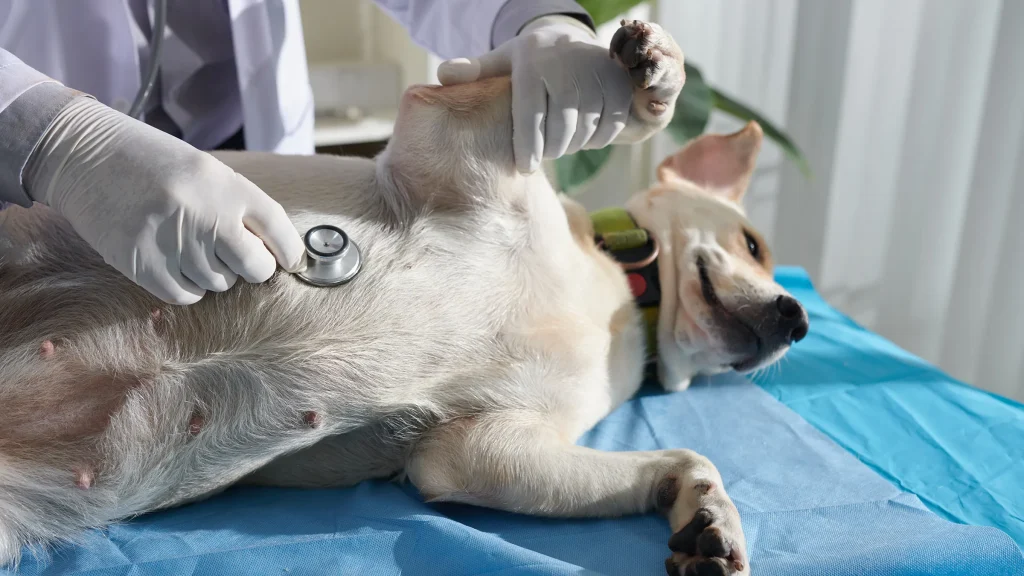
- Diagnosis of CHF typically involves a thorough physical examination, including listening to the heart and lungs, and diagnostic tests such as chest X-rays (to assess fluid in the lungs and heart size), echocardiogram (ultrasound of the heart to evaluate heart structure and function), and sometimes an electrocardiogram (ECG) to assess heart rhythm. Blood tests may also be performed to assess overall health and kidney function.
- While CHF is not curable, veterinary management focuses on controlling the fluid buildup, improving heart function, and enhancing the pet's quality of life. Treatment often involves a combination of medications:
- Diuretics (e.g., Furosemide): These medications help remove excess fluid from the body, reducing fluid buildup in the lungs or abdomen, thereby easing breathing and discomfort. They are a cornerstone of CHF management [5].
- Pimobendan: This medication helps the heart pump more efficiently and dilates blood vessels, improving blood flow and reducing the heart's workload [5].
- ACE Inhibitors (e.g., Enalapril, Benazepril): These drugs help relax blood vessels, reducing blood pressure and making it easier for the heart to pump blood [5].
- Other Medications: Depending on the underlying heart condition and individual pet's needs, other medications such as beta-blockers, anti-arrhythmics, or other vasodilators may be used.
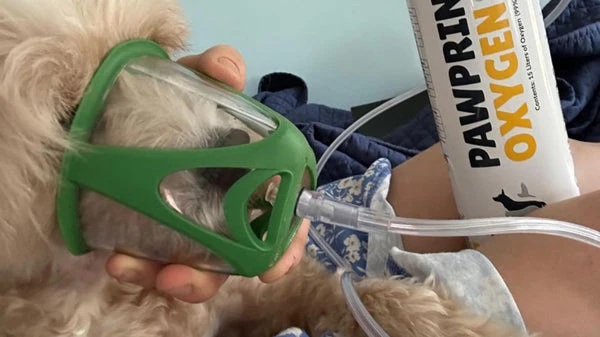
- Oxygen Therapy: In acute crises, supplemental oxygen may be necessary to help pets breathe more easily [6].
- Dietary Management: A low-sodium diet is often recommended to help reduce fluid retention.
- Regular Monitoring: Frequent veterinary check-ups, including reassessment of breathing, heart rate, and fluid status, are essential to adjust medications and monitor the pet's response to treatment.
- With appropriate medical management, many pets with CHF can have an improved quality of life for a period, though the disease is progressive [7].
When Euthanasia Might Be an Option
- Making the decision to consider euthanasia for a pet with Congestive Heart Failure is one of the most heart-wrenching choices a pet owner can face. Despite dedicated medical care, CHF is a progressive and ultimately terminal condition. There comes a point when the disease advances to a stage where the pet's suffering can no longer be adequately managed, and their quality of life is severely compromised. This compassionate choice is made out of profound love to prevent prolonged distress and ensure a peaceful end. Euthanasia might be considered in situations such as:
- Unmanageable Respiratory Distress: If your pet experiences severe and persistent difficulty breathing, even with maximal medical therapy, leading to constant struggle, anxiety, and an inability to rest comfortably.
- Frequent Crises: If your pet has recurrent episodes of acute heart failure, requiring frequent emergency veterinary visits and hospitalization, indicating a rapid decline in their condition and significant stress for both pet and owner.
- Poor Quality of Life: Despite all medical interventions, your pet's overall well-being has deteriorated significantly. This can manifest as extreme lethargy, loss of appetite, disinterest in previously enjoyed activities, severe weakness, or a general inability to experience comfort or joy.
- Fluid Buildup Unresponsive to Treatment: If fluid continues to accumulate in the lungs or abdomen, causing severe discomfort and impacting vital organ function, despite aggressive diuretic therapy.
- Sudden Collapse or Fainting: While some pets may have occasional fainting spells, frequent or severe episodes can indicate a critical decline in heart function and a significant risk of sudden death, causing distress and fear.
- Treatment Futility: When all available and appropriate treatment options have been exhausted, and the disease continues to progress, or when the side effects of further treatment would cause more suffering than benefit, leaving no hope for recovery or improved quality of life.
- Choosing euthanasia in these profound moments is an act of ultimate love and selflessness, allowing your cherished companion to pass away with dignity and peace, free from pain, in the comfort of their familiar surroundings.
Our Compassionate Support
Contact Us
If you are facing this difficult decision or simply wish to learn more about our services, please do not hesitate to reach out. We are here to offer guidance, support, and
compassionate care. You can contact us on 1300 580 777 or email us at contactus@goodbyemate.com.au.
References
[1] VCA Animal Hospitals. Congestive Heart Failure in Cats. Retrieved from https://vcahospitals.com/know-your-pet/congestive-heart-failure-in-cats
[2] Small Door Veterinary. Congestive Heart Failure in Dogs. Retrieved from https://www.smalldoorvet.com/learning-center/medical/congestive-heart-failure-in-dogs
[3] CVC Animal Hospitals. (2025, April 15). 10 Signs of Heart Disease in Dogs and Cats. Retrieved from https://www.cvcavets.com/blog/10-signs-of-heart-disease-in-dogs-and-cats
[4] VetSpecialists.com. (2020, April 22). Congestive Heart Failure (CHF) in Dogs and Cats. Retrieved from https://www.vetspecialists.com/vet-blog-landing/animal-healtharticles/2020/04/22/congestive-heart-failure
[5] Today’s Veterinary Practice. Congestive Heart Failure in Dogs. Retrieved from https://todaysveterinarypractice.com/cardiology/congestive-heart-failure-in-dogs/
[6] DVM360. (2005, October 1). Emergency management of congestive heart failure. Retrieved from https://www.dvm360.com/view/emergency-management-congestive-heartfailure
[7] CVC Animal Hospitals. Congestive Heart Failure – What is it and What to Expect. Retrieved from https://www.cvcavets.com/patient-resources/cardiacconditions/congestive-heart-failure-what-is-it-and-what-to-expect