

What are Severe Seizure Disorders (Refractory Epilepsy)?
Epilepsy is a chronic neurological disorder characterized by recurrent, unprovoked seizures. While many pets with epilepsy can be well-managed with medication, some develop severe seizure disorders, also known as refractory epilepsy. This means their seizures are difficult to control, even with multiple anti-epileptic drugs (AEDs) at appropriate doses. These seizures can be frequent, prolonged (status epilepticus), or occur in clusters, significantly impacting the pet’s quality of life and posing a serious threat to their health [1, 2].
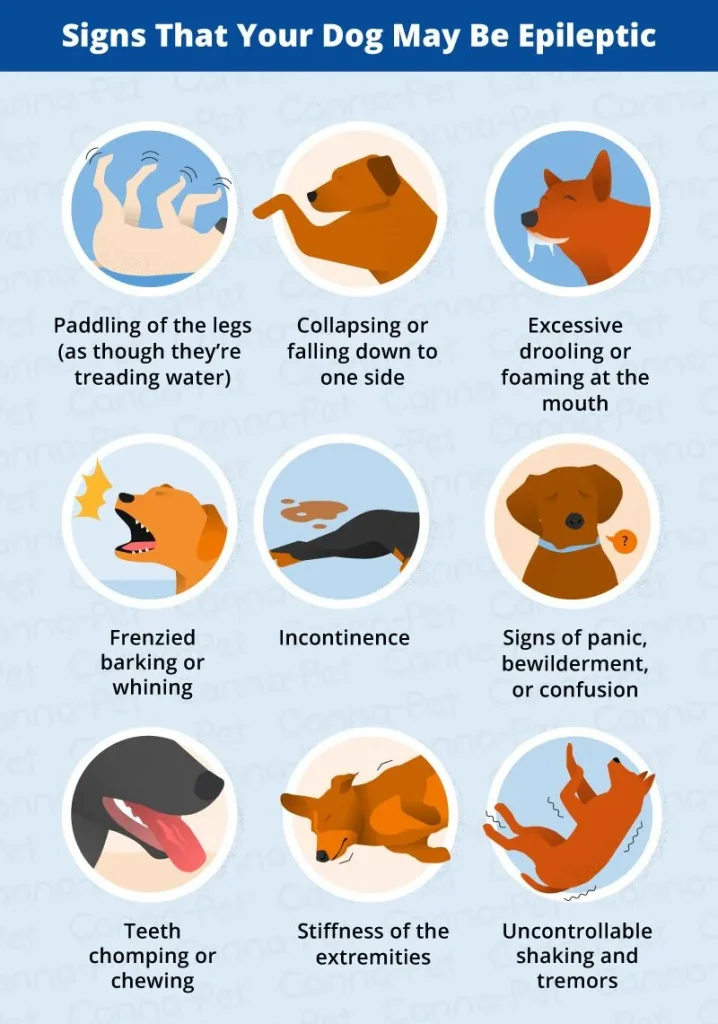
Seizures are caused by abnormal, uncontrolled electrical activity in the brain. They can manifest in various ways, from generalized tonic-clonic (grand mal) seizures, where the pet loses consciousness, collapses, and paddles their limbs, to focal seizures, which may involve more subtle signs like twitching, drooling, or behavioral changes. The period after a seizure (post-ictal phase) can also vary, ranging from mild disorientation to severe weakness, blindness, or aggression [1, 3].
In refractory epilepsy, the frequency, severity, or duration of seizures can lead to brain damage, cognitive decline, and a significant decline in overall well-being. The constant threat of a seizure, the recovery period, and the side effects of multiple medications can make daily life challenging for both the pet and their owners [4].
How Veterinarians Manage Severe Seizure Disorders
- Managing severe seizure disorders requires a comprehensive and often multi-faceted approach. Diagnosis involves a thorough neurological examination, blood tests to rule out metabolic causes, and sometimes advanced imaging like MRI of the brain to identify structural abnormalities. Once diagnosed, the goal is to reduce seizure frequency and severity while minimizing side effects from medication.
- Treatment strategies typically include:
- Anti-Epileptic Drugs (AEDs): Veterinarians will often try various combinations and dosages of AEDs (e.g., phenobarbital, potassium bromide, levetiracetam, zonisamide, gabapentin) to find the most effective regimen. This can be a trial-and-error process, and close monitoring of blood levels and side effects is essential [5, 6].
- Emergency Medications: Owners are often provided with emergency medications (e.g., rectal diazepam, intranasal midazolam) to administer at home to stop prolonged seizures or clusters of seizures [7].
- Dietary Management: Some studies suggest that certain diets, particularly those high in medium-chain triglycerides (MCTs), may help reduce seizure frequency in some epileptic dogs [8].
- Vagal Nerve Stimulation (VNS): In some specialized centers, VNS, a surgical implant that delivers electrical impulses to the vagal nerve, is being explored as a treatment option for refractory epilepsy [9].
- Supportive Care: During and after seizures, ensuring the pet's safety, providing a quiet environment, and monitoring for complications are crucial. Managing any side effects of medication, such as sedation or increased appetite, is also important.
- Regular veterinary check-ups, often including blood tests to monitor AED levels and liver/kidney function, are essential to adjust treatment and ensure the pet's well-being.
When Euthanasia Might Be an Option
- Making the decision to consider euthanasia for a pet with severe seizure disorders is one of the most agonizing and compassionate choices a pet owner can face. Despite dedicated medical management, refractory epilepsy can lead to a point where the pet's suffering becomes unmanageable, and their quality of life is severely compromised. This compassionate choice is made out of profound love to prevent prolonged distress and ensure a peaceful end. Euthanasia might be considered in situations such as:
- Uncontrolled Seizures: If your pet experiences frequent, severe, or prolonged seizures (status epilepticus) that cannot be controlled with medication, leading to constant distress, physical injury, and a significant decline in their well-being.
- Severe Post-Ictal Effects: When the recovery period after seizures is consistently severe, prolonged, or involves profound neurological deficits (e.g., temporary blindness, severe disorientation, aggression) that significantly impact their daily life and cause distress.
- Intolerable Side Effects from Medication: If the pet experiences severe and unmanageable side effects from multiple anti-epileptic drugs, such as extreme sedation, liver damage, or behavioral changes, that significantly diminish their quality of life.
- Progressive Neurological Decline: If the seizures lead to progressive brain damage, cognitive decline, or other neurological deficits that severely impair the pet's ability to function, interact, or experience joy.
- Poor Quality of Life: Despite all medical interventions, your pet's overall well-being has deteriorated significantly. This can manifest as a complete loss of interest in food, water, or previously enjoyed activities, severe lethargy, or a general inability to experience comfort or joy due to their condition.
- Caregiver Burden: While a difficult aspect to consider, the immense physical, emotional, and financial toll of caring for a pet with severe, uncontrolled seizures can become overwhelming for families, impacting their own well-being and ability to provide optimal care.
- Choosing euthanasia in these profound moments is an act of ultimate love and selflessness, allowing your cherished companion to pass away with dignity and peace, free from the torment of uncontrolled seizures, in the comfort of their familiar surroundings.
Our Compassionate Support
At Goodbyemate.com.au, we understand the profound bond you share with your pet and the immense pain that comes with making such a difficult decision. Our mission is to provide a peaceful and dignified at-home pet euthanasia service, allowing your beloved companion to pass away in the comfort and familiarity of their own home, surrounded by those they love most. Our compassionate veterinarians are experienced in gentle euthanasia techniques, ensuring a serene transition.
Beyond the medical procedure, we also offer grief counseling services to support you through this challenging time. We believe that acknowledging and processing your grief is an essential part of healing. Our team is here to provide a comforting presence, answer your questions, and offer resources to help you navigate your loss.
Contact Us
If you are facing this difficult decision or simply wish to learn more about our services, please do not hesitate to reach out. We are here to offer guidance, support, and
compassionate care. You can contact us on 1300 580 777 or email us at contactus@goodbyemate.com.au.
References
[1] VCA Animal Hospitals. Epilepsy in Dogs. Retrieved from https://vcahospitals.com/knowyour-pet/epilepsy-in-dogs
[2] PetMD. (2022, December 12). Epilepsy in Cats. Retrieved from https://www.petmd.com/cat/conditions/neurological/c_ct_epilepsy
[3] American College of Veterinary Internal Medicine. Canine Epilepsy. Retrieved from https://www.acvim.org/animal-owners/animal-health-facts/canine-epilepsy
[4] PMC. (2023, June 29). Refractory Epilepsy in Dogs: A Systematic Review. Retrieved from https://pmc.ncbi.nlm.nih.gov/articles/PMC10311707/
[5] Today’s Veterinary Practice. Managing Refractory Epilepsy in Dogs. Retrieved from https://todaysveterinarypractice.com/neurology/managing-refractory-epilepsy-dogs/
[6] DVM360. (2023, March 23). Refractory epilepsy in dogs: What to do when the seizures won’t stop. Retrieved from https://www.dvm360.com/view/refractory-epilepsy-in-dogswhat-to-do-when-the-seizures-won-t-stop
[7] Veterinary Partner. Seizures in Dogs. Retrieved from https://veterinarypartner.vin.com/default.aspx?pid=19239&id=4951478
[8] PMC. (2022, July 1). Dietary Therapy for Canine Epilepsy: A Review. Retrieved from https://pmc.ncbi.nlm.nih.gov/articles/PMC9248700/
[9] VCA Animal Hospitals. Vagal Nerve Stimulation for Epilepsy in Dogs. Retrieved from https://vcahospitals.com/know-your-pet/vagal-nerve-stimulation-for-epilepsy-in-dogs