
What is Degenerative Myelopathy (DM)?
Degenerative Myelopathy (DM) is a progressive, incurable neurological disease that affects the spinal cord, primarily in dogs, leading to a gradual loss of coordination and weakness in the hind limbs, eventually progressing to paralysis. While less common, similar progressive neurological conditions can affect cats. DM is thought to be an inherited disease in many dog breeds, particularly German Shepherds, Boxers, Corgis, and Chesapeake Bay Retrievers. It is characterized by the degeneration of the white matter in the spinal cord, which is responsible for transmitting movement commands from the brain to the limbs and sensory information back to the brain [1, 2].
DM typically begins subtly, often with a mild weakness or unsteadiness in one or both hind legs. Early signs may include hind paw knuckling (dragging the top of the paw), scuffing of the toenails, difficulty rising, or a swaying gait. As the disease progresses, the weakness worsens, leading to difficulty walking, stumbling, and eventually the inability to stand or walk without assistance. While DM itself is not painful, the secondary effects of immobility, such as muscle atrophy and pressure sores, can cause discomfort. In advanced stages, the disease can affect the front limbs and even lead to difficulty breathing or swallowing [1, 3].
How Veterinarians Manage DM
- Diagnosing Degenerative Myelopathy can be challenging as its early symptoms can mimic other conditions like osteoarthritis or disc disease. Diagnosis often involves a thorough neurological examination, ruling out other treatable causes of hind limb weakness through X-rays, MRI, or CT scans of the spine. A definitive diagnosis often requires genetic testing for the SOD1 gene mutation in predisposed breeds. Unfortunately, there is currently no cure for DM, and treatments focus on supportive care and slowing the progression of the disease:
- Physical Rehabilitation: This is the most crucial aspect of managing DM. Daily physical therapy, including exercises to maintain muscle mass, improve balance, and strengthen core muscles, can significantly extend the period of mobility and improve quality of life. Hydrotherapy (underwater treadmill) is particularly beneficial as it allows pets to exercise without bearing full weight [4, 5].
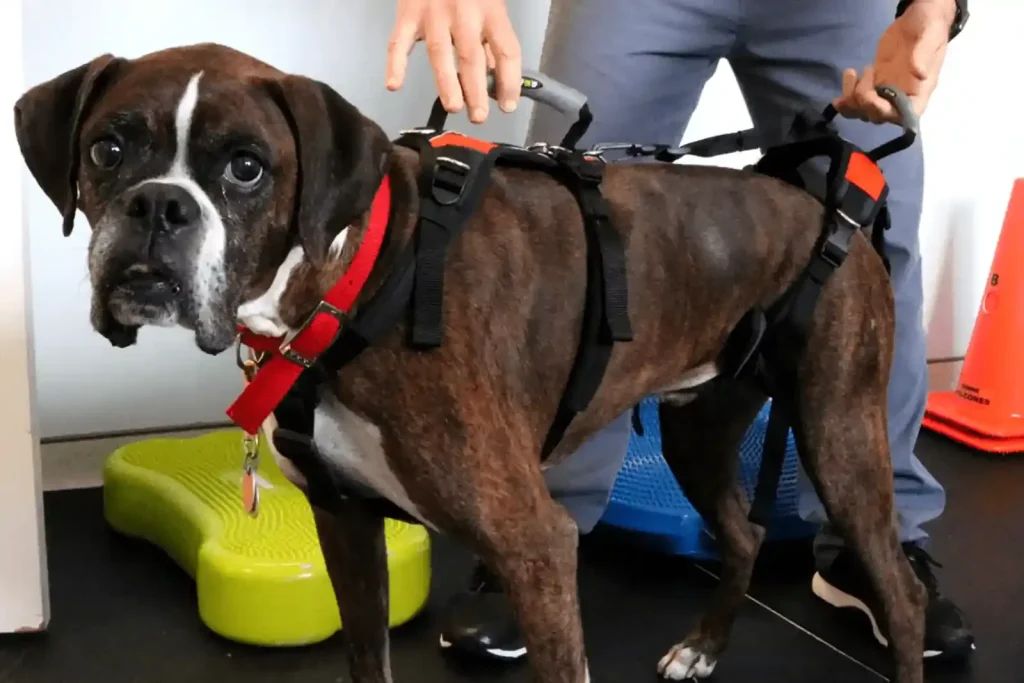
- Mobility Aids: As the disease progresses, mobility aids such as slings, harnesses, and eventually wheelchairs (carts) can help pets maintain their independence and continue to enjoy activities. These aids can greatly improve a pet's quality of life and allow them to remain active [6].
- Nutritional Support: Maintaining a healthy weight and providing a balanced diet are important for overall health and to support muscle mass.
- Nursing Care: As mobility declines, diligent nursing care is essential to prevent complications such as pressure sores, urinary tract infections, and fecal incontinence. This includes regular turning, keeping the pet clean and dry, and assisting with urination and defecation.
- Medications: While no medication can stop or reverse DM, some supplements (e.g., antioxidants, B vitamins) or medications may be used to support neurological health or manage secondary issues, though their efficacy in altering the disease course is limited.
- Regular veterinary check-ups are important to monitor the pet's condition and adjust the supportive care plan as needed.
When Euthanasia Might Be an Option
- Making the decision to consider euthanasia for a pet with Degenerative Myelopathy is one of the most compassionate and heartbreaking choices a pet owner can face. Despite dedicated supportive care, DM is a relentlessly progressive disease, and there comes a point when the pet's quality of life is severely compromised, and their suffering can no longer be adequately managed. This decision is made out of profound love to prevent prolonged distress and ensure a peaceful end. Euthanasia might be considered in situations such as:
- Complete Loss of Mobility: When your pet can no longer stand or move their hind limbs, even with assistance, and is essentially paralyzed, leading to a loss of independence and significant frustration.
- Inability to Maintain Hygiene: If your pet becomes unable to control their bladder or bowels, leading to constant soiling, skin irritation, and a decline in their overall comfort and dignity, despite diligent nursing care.
- Development of Secondary Complications: The onset of severe pressure sores, recurrent urinary tract infections, or other complications directly related to immobility that cause significant pain or distress and are difficult to manage.
- Decline in Overall Quality of Life: Despite all efforts, your pet's overall well-being has deteriorated significantly. This can manifest as a loss of interest in food, water, or previously enjoyed activities, severe lethargy, or a general inability to experience comfort or joy due to their physical limitations.
- Caregiver Burden: While a difficult aspect to consider, the physical and emotional toll of providing intensive nursing care for a progressively paralyzed pet can become overwhelming for owners, impacting their own well-being and ability to provide optimal care.
- Progression to Other Systems: In advanced stages, if the disease progresses to affect the front limbs, breathing, or swallowing, leading to severe respiratory distress or inability to eat.
- Choosing euthanasia in these profound moments is an act of ultimate love and selflessness, allowing your cherished companion to pass away with dignity and peace, free from the physical burdens of DM, in the comfort of their familiar surroundings.
Our Compassionate Support
Contact Us
If you are facing this difficult decision or simply wish to learn more about our services, please do not hesitate to reach out. We are here to offer guidance, support, and
compassionate care. You can contact us on 1300 580 777 or email us at contactus@goodbyemate.com.au.
References
[1] VCA Animal Hospitals. Degenerative Myelopathy in Dogs. Retrieved from https://vcahospitals.com/know-your-pet/degenerative-myelopathy-in-dogs
[2] PetMD. (2023, January 20). Degenerative Myelopathy in Dogs. Retrieved from https://www.petmd.com/dog/conditions/musculoskeletal/degenerative-myelopathy-dogs
[3] Best Friends Animal Society. Degenerative Myelopathy in Dogs: Signs, Stages, Treatment. Retrieved from https://bestfriends.org/pet-care-resources/degenerative-myelopathy-dogssigns-stages-treatment
[4] PMC. Diagnosis and management of dogs with degenerative myelopathy. Retrieved from https://pmc.ncbi.nlm.nih.gov/articles/PMC10472985/
[5] Lap of Love. Degenerative Myelopathy. Retrieved from https://www.lapoflove.com/resource-center/common-diseases-in-dogs/degenerativemyelopathy
[6] AKC.org. (2024, January 18). Degenerative Myelopathy: Causes, Symptoms, and Treatment. Retrieved from https://www.akc.org/expert-advice/health/degenerativemyelopathy-
in-dogs/