
What is Hemangiosarcoma?
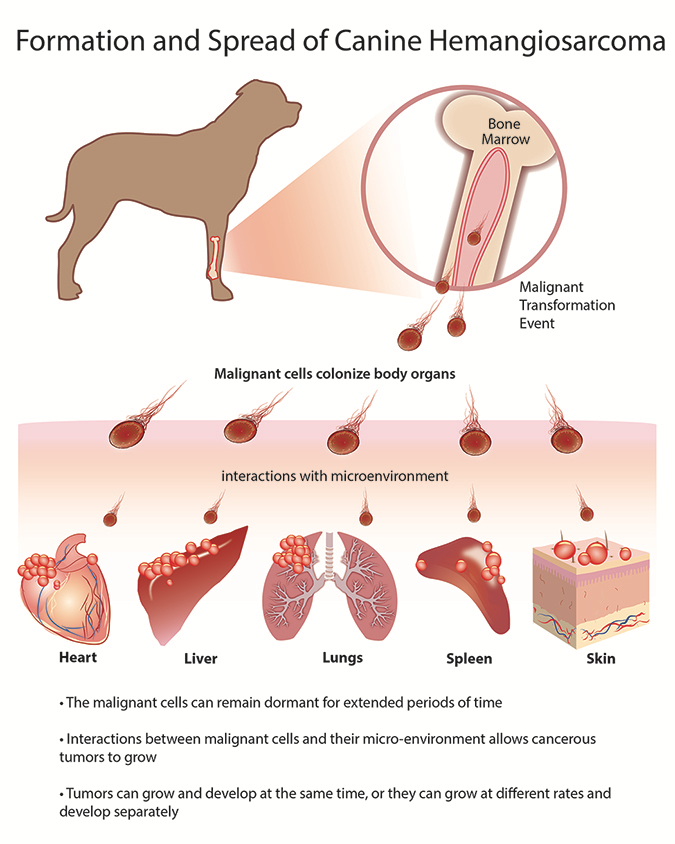
Hemangiosarcoma (HSA) is a highly aggressive and malignant cancer that originates from the cells lining the blood vessels (endothelial cells). This insidious disease is often referred to as a “silent killer” because it can grow and spread throughout the body without showing any obvious symptoms until it reaches an advanced stage, often culminating in a ifethreatening emergency. HSA can develop anywhere in the body, but it most commonly affects the spleen, heart (right atrium), and skin in dogs. It can also occur in the liver, kidneys, and other organs. In cats, HSA is less common but can also be found in similar locations [1, 2, 3].
The tumors are essentially blood-filled sacs that are very fragile and prone to rupture, leading to sudden and severe internal bleeding. This is often the first sign that something is wrong. The symptoms of HSA can be vague and non-specific, especially in the early stages. They may include intermittent lethargy, weakness, decreased appetite, weight loss, a bulging belly (due to fluid accumulation), and pale gums. In many cases, the first noticeable sign is a sudden collapse due to the rupture of a tumor and subsequent internal hemorrhage [1, 4].
How Veterinarians Manage Hemangiosarcoma
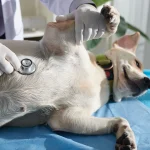
- The diagnosis of hemangiosarcoma can be challenging due to its often silent nature. A veterinarian may suspect HSA based on a physical examination, especially if a palpable abdominal mass or fluid is present. Diagnostic tests typically include:
- Abdominal Ultrasound: This is a key diagnostic tool to visualize tumors in the spleen, liver, or other abdominal organs and to detect fluid (blood) in the abdomen.
- Chest X-rays: These are crucial for checking for metastasis to the lungs, which is very common with HSA.
- Echocardiogram (Heart Ultrasound): This is used to evaluate the heart for tumors, particularly in the right atrium.
- Blood Tests: While not specific for HSA, blood tests can reveal anemia (low red blood cell count) and other abnormalities that support the diagnosis.
- Biopsy: A definitive diagnosis requires a biopsy of the tumor, which is often obtained during surgery to remove the mass.
- Treatment for hemangiosarcoma is aimed at controlling the primary tumor and delaying metastasis. The standard of care typically involves:
- Surgery: Surgical removal of the primary tumor is the cornerstone of treatment, especially for splenic tumors. This can be a life-saving procedure in cases of tumor rupture and internal bleeding. However, surgery alone is rarely curative due to the high rate of metastasis [5, 6].
- Chemotherapy: Adjuvant chemotherapy is almost always recommended after surgery to target microscopic cancer cells that may have already spread. Doxorubicin-based protocols are commonly used and can help extend survival times [5, 7].
- Supportive Care: Blood transfusions may be necessary to stabilize a pet that has experienced significant blood loss. Pain management and other supportive measures are also important to maintain quality of life.
- Despite treatment, the prognosis for visceral hemangiosarcoma is generally poor, with survival times often measured in months rather than years [8, 9].
When Euthanasia Might Be an Option
- Given the aggressive nature of hemangiosarcoma and its poor long-term prognosis, the decision to consider euthanasia is a deeply personal and compassionate one. It often arises when the disease has progressed to a point where treatment is no longer effective, or when the pet"s quality of life is severely compromised. This compassionate choice is made out of profound love to prevent further suffering and ensure a peaceful end. It might be considered in situations such as:
- Recurrent Internal Bleeding: If the pet experiences repeated episodes of tumor rupture and internal bleeding, leading to frequent crises, weakness, and a poor quality of life that cannot be managed.
- Widespread Metastasis: When the cancer has spread extensively to vital organs, such as the lungs or liver, causing severe respiratory distress, organ failure, or other debilitating symptoms.
- Unmanageable Symptoms: If the pet is experiencing persistent lethargy, weakness, inappetence, or pain that cannot be controlled with supportive care, indicating a significant decline in well-being.
- Poor Quality of Life: Despite all medical interventions, your pet"s overall quality of life has deteriorated to a point where they are no longer able to enjoy their daily activities, interact with the family, or experience comfort and joy.
- Treatment Futility: When all available and appropriate treatment options have been exhausted, and the disease continues to progress, or when the side effects of further treatment would cause more suffering than benefit.
- Choosing euthanasia in these profound moments is an act of ultimate love and selflessness, allowing your cherished companion to pass away with dignity and peace, free from pain, in the comfort of their familiar surroundings.
Our Compassionate Support
At Goodbyemate.com.au, we understand the profound bond you share with your pet and the immense pain that comes with making such a difficult decision. Our mission is to provide a peaceful and dignified at-home pet euthanasia service, allowing your beloved companion to pass away in the comfort and familiarity of their own home, surrounded by those they love most. Our compassionate veterinarians are experienced in gentle euthanasia techniques, ensuring a serene transition.
Beyond the medical procedure, we also offer grief counseling services to support you through this challenging time. We believe that acknowledging and processing your grief is an essential part of healing. Our team is here to provide a comforting presence, answer your questions, and offer resources to help you navigate your loss.
Contact Us
If you are facing this difficult decision or simply wish to learn more about our services, please do not hesitate to reach out. We are here to offer guidance, support, and
compassionate care. You can contact us on 1300 580 777 or email us at contactus@goodbyemate.com.au.
References
[1] AKC.org. (2023, December 12). Hemangiosarcoma in Dogs: Signs, Symptoms, and Treatment. Retrieved from https://www.akc.org/expert-advice/health/hemangiosarcomain-dogs/
[2] Vetspecialists.com. (2020, August 24). Hemangiosarcoma Cancer in Dogs and Cats. Retrieved from https://www.vetspecialists.com/vet-blog-landing/animal-healtharticles/2020/08/24/hemangiosarcoma-cancer-in-dogs-and-cats
[3] Cornell University College of Veterinary Medicine. Hemangiosarcoma in dogs. Retrieved from https://www.vet.cornell.edu/departments-centers-and-institutes/riney-canine-healthcenter/canine-health-information/hemangiosarcoma-dogs
[4] Morris Animal Foundation. Hemangiosarcoma in Dogs. Retrieved from https://www.morrisanimalfoundation.org/article/hemangiosarcoma-cancer-in-dogs
[5] PMC. Diagnosis, Prognosis, and Treatment of Canine Hemangiosarcoma. Retrieved from https://pmc.ncbi.nlm.nih.gov/articles/PMC10093745/
[6] PetMD. (2022, June 13). Hemangiosarcoma in Dogs. Retrieved from https://www.petmd.com/dog/conditions/cancer/hemangiosarcoma-dogs
[7] VIN. Advances in Hemangiosarcoma Treatment. Retrieved from https://www.vin.com/apputil/content/defaultadv1.aspx?pId=11268&catId=32732&id=3866584
[8] PubMed. (2021, July 2). Canine and feline haemangiosarcoma.Retrieved from https://pubmed.ncbi.nlm.nih.gov/34213807/
[9] DVM360. (2021, January 5). Essential information for veterinarians about hemangiosarcoma. Retrieved from https://www.dvm360.com/view/essential-informationfor-veterinarians-about-hemangiosarcoma