
What is Chronic Kidney Disease (CKD)?
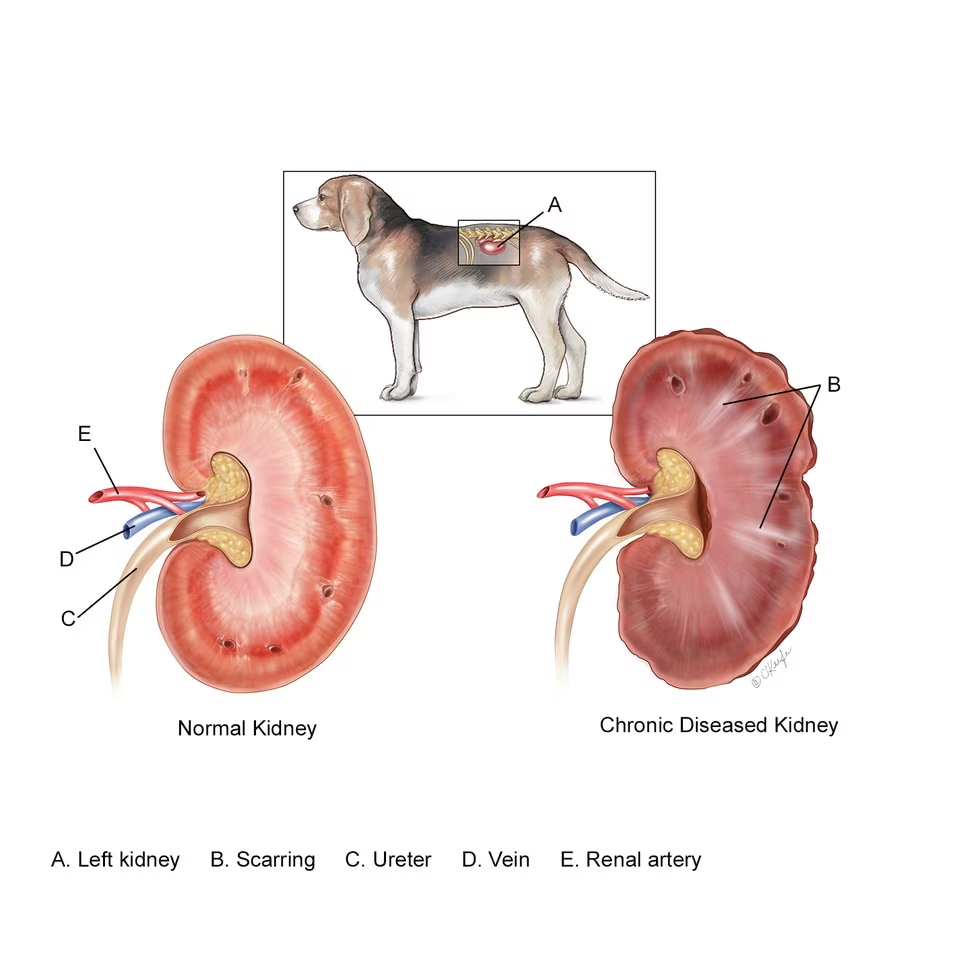
Chronic Kidney Disease (CKD), also known as chronic renal failure, is a progressive and irreversible condition where the kidneys gradually lose their ability to filter waste products from the blood. The kidneys play a vital role in maintaining overall health by filtering toxins, regulating blood pressure, producing hormones, and balancing electrolytes. When the kidneys fail, these waste products build up in the body, leading to a range of symptoms and a decline in overall health [1, 2].
CKD is more common in older pets, particularly cats, but can affect dogs as well. The disease often progresses slowly, and pets may not show obvious signs until a significant portion of kidney function is lost. Early symptoms can be subtle and include increased thirst (polydipsia) and increased urination (polyuria) as the kidneys struggle to concentrate urine. As the disease advances, more noticeable signs may appear, such as decreased appetite, weight loss, lethargy, vomiting, bad breath (due to toxin buildup), and a dull coat. In severe cases, pets may experience weakness, dehydration, and even mouth ulcers [1, 3, 4].
How Veterinarians Manage CKD
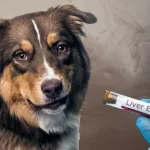
- While there is no cure for CKD, veterinary management focuses on slowing the progression of the disease, managing symptoms, and improving the pet's quality of life. Diagnosis typically involves blood tests (measuring creatinine, BUN, and phosphorus levels) and urine tests (checking urine specific gravity and protein levels). The International Renal Interest Society (IRIS) has developed a staging system to classify CKD severity, which helps guide treatment decisions.
- Treatment strategies often include a multi-faceted approach:
- Therapeutic Diets: Kidney-specific diets are formulated with controlled protein, phosphorus, and sodium levels to reduce the workload on the kidneys and minimize toxin buildup. This is often the most impactful intervention [5].
- Fluid Therapy: Subcutaneous (under the skin) fluid administration can help prevent dehydration, flush toxins from the body, and support kidney function, especially in more advanced stages [6].
- Medications: Various medications may be prescribed to manage specific symptoms and complications of CKD, such as:
-
- Phosphate Binders: To reduce phosphorus absorption from the diet.
- Blood Pressure Medications: To control hypertension, which is common in CKD and can further damage the kidneys.
- Anti-nausea Medications and Appetite Stimulants: To combat vomiting and encourage eating.
- Potassium Supplements: To address potassium imbalances.
- Erythropoietin: In some cases, to stimulate red blood cell production if anemia develops.
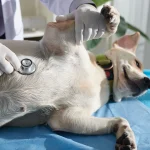
- Regular Monitoring: Frequent veterinary check-ups, blood work, and urine tests are essential to monitor the pet's condition, adjust treatment as needed, and track disease progression.
- With proper management, many pets with CKD can maintain a good quality of life for an extended period [7].
When Euthanasia Might Be an Option
- Making the decision to consider euthanasia for a pet with Chronic Kidney Disease is an incredibly difficult and emotional process. Despite dedicated care and medical interventions, CKD is a progressive disease, and there may come a point when the pet's quality of life significantly declines, and suffering can no longer be adequately managed. This compassionate choice is made out of profound love to prevent prolonged distress and ensure a peaceful end. Euthanasia might be considered in situations such as:
- Unmanageable Symptoms: If your pet experiences severe and persistent symptoms such as intractable vomiting, profound lethargy, severe weight loss, or painful mouth ulcers that cannot be controlled with medication, leading to constant discomfort.
- Loss of Appetite and Severe Malnutrition: When your pet consistently refuses to eat, even with appetite stimulants, leading to severe weight loss and muscle wasting, indicating a significant decline in their ability to thrive.
- Severe Dehydration Unresponsive to Fluids: If your pet becomes severely dehydrated and does not respond adequately to fluid therapy, indicating that their kidneys are no longer able to maintain proper hydration.
- Poor Quality of Life: Despite all medical interventions, your pet's overall well-being has deteriorated significantly. This can manifest as a complete loss of interest in food, water, or previously enjoyed activities, severe weakness, disinterest in interaction, or a general inability to experience comfort or joy.
- End-Stage Disease: When the disease has progressed to its final stages (e.g., IRIS Stage 4), and the pet is experiencing severe uremic crises, organ dysfunction, or other lifethreatening complications that are irreversible.
- Choosing euthanasia in these profound moments is an act of ultimate love and selflessness, allowing your cherished companion to pass away with dignity and peace, free from pain, in the comfort of their familiar surroundings.
Our Compassionate Support
At Goodbyemate.com.au, we understand the profound bond you share with your pet and the immense pain that comes with making such a difficult decision. Our mission is to provide a peaceful and dignified at-home pet euthanasia service, allowing your beloved companion to pass away in the comfort and familiarity of their own home, surrounded by those they love most. Our compassionate veterinarians are experienced in gentle euthanasia techniques, ensuring a serene transition.
Beyond the medical procedure, we also offer grief counseling services to support you through this challenging time. We believe that acknowledging and processing your grief is an essential part of healing. Our team is here to provide a comforting presence, answer your questions, and offer resources to help you navigate your loss.
Contact Us
If you are facing this difficult decision or simply wish to learn more about our services, please do not hesitate to reach out. We are here to offer guidance, support, and
compassionate care. You can contact us on 1300 580 777 or email us at contactus@goodbyemate.com.au.
References
[1] PetMD. (2025, March 13). Kidney Disease in Cats: Signs, Causes, and Treatment. Retrieved from https://www.petmd.com/cat/conditions/urinary/kidney-disease-cats
[2] Animal Care Center of Green. Kidney Disease in Dogs and Cats. Retrieved from https://animalcarecenter.com/services/kidney-disease-in-dogs-and-cats/
[3] Cornell University College of Veterinary Medicine. Chronic Kidney Disease. Retrieved from https://www.vet.cornell.edu/departments-centers-and-institutes/cornell-felinehealth-center/health-information/feline-health-topics/chronic-kidney-disease
[4] Morris Animal Foundation. (2021, March 4). Chronic Kidney Disease in Cats & Dogs. Retrieved from https://www.morrisanimalfoundation.org/article/chronic-kidney-disease-incats-and-dogs
[5] Todaysveterinarypractice.com. Treatment Guidelines for Chronic Kidney Disease in Dogs & Cats. Retrieved from https://todaysveterinarypractice.com/urology-renalmedicine/treatment-chronic-kidney-disease-dogs-cats/
[6] PMC. Feline CKD: Current therapies – what is achievable?. Retrieved from https://pmc.ncbi.nlm.nih.gov/articles/PMC10816691/
[7] Lebanon Animal Hospital. (2023, September 12). Early Detection of Chronic Kidney Disease in Pets: Questions and Answers. Retrieved from https://lebanonanimalhospital.com/early-detection-of-chronic-kidney-disease-in-petsquestions-and-answers/