What is Melanoma?
Melanoma is a type of cancer that originates from melanocytes, the cells responsible for producing pigment (melanin) in the skin. While often associated with sun exposure in humans, melanoma in dogs and cats behaves differently and can occur in various locations, including the skin, mouth (oral cavity), nail beds (digits), and eyes. It can be benign or malignant, but malignant melanoma is highly aggressive and has a significant potential to spread (metastasize) to other parts of the body, such as lymph nodes, lungs, and other organs [1, 2].
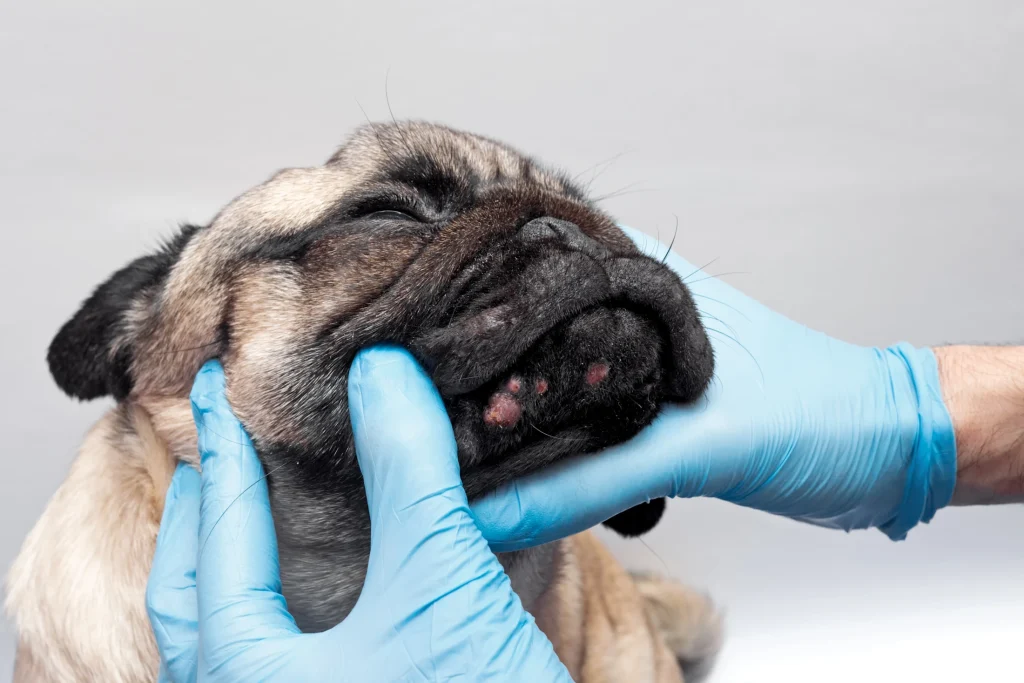
In dogs, malignant melanoma is most commonly found in the oral cavity, on the digits (toes and nail beds), and around the eyes. Oral melanomas are particularly aggressive and tend to metastasize early. Skin melanomas on haired skin, especially in areas not exposed to the sun, are often benign, but any pigmented growth should be evaluated by a veterinarian. Symptoms can vary depending on the location but may include a pigmented or nonpigmented lump, bad breath, difficulty eating, drooling (oral melanoma), limping, or paw licking (digital melanoma) [1, 3].
In cats, melanoma is less common than in dogs, but when it occurs, it can also be aggressive. Feline melanomas are often found on the skin, in the mouth, or in the eyes (iris melanoma). Changes in iris pigmentation, new skin lumps, or difficulty chewing or swallowing warrant prompt veterinary assessment [2, 4].
How Veterinarians Manage Melanoma
- Treatment options for melanoma include:
- Surgical Removal: This is the cornerstone of treatment for most melanomas. The goal is to remove the entire tumor with wide surgical margins to prevent local recurrence. For oral and digital melanomas, this can be challenging and may require extensive surgery, sometimes including amputation of a digit or part of the jaw [5, 6].
- Radiation Therapy: Radiation therapy may be used for tumors that cannot be completely removed surgically, or as an adjunctive therapy after surgery to reduce the risk of recurrence. It can also be used for palliative care to manage pain and improve quality of life [7].
- Chemotherapy: While traditional chemotherapy has shown limited effectiveness against melanoma, it may be considered in cases of metastatic disease or highly aggressive tumors. Its role is often to slow progression rather than cure [1].
- Melanoma Vaccine: For dogs with oral melanoma, a therapeutic melanoma vaccine (Oncept) is available. This vaccine aims to stimulate the dog's immune system to recognize and attack melanoma cells, potentially extending survival times, especially when used in conjunction with surgery [8].
- Targeted Therapies: Research into targeted therapies and immunotherapies for melanoma in pets is ongoing, offering potential future treatment avenues.
When Euthanasia Might Be an Option
- Making the decision to consider euthanasia for a pet battling melanoma is incredibly painful, often arising when the disease has progressed beyond the point of effective treatment, or when the pet's quality of life has severely diminished. This compassionate decision is made to prevent prolonged suffering and ensure a peaceful end. Euthanasia might be considered in the following circumstances:
- Unmanageable Pain: If the tumor, especially in the oral cavity or on a digit, causes severe, chronic pain that cannot be adequately controlled with medication, leading to constant distress, an inability to eat or move comfortably.
- Extensive Metastasis: If the cancer has spread extensively to vital organs like the lungs, liver, or brain, leading to severe respiratory distress, organ failure, neurological deficits, or widespread systemic illness that cannot be treated.
- Severe Functional Impairment: If the tumor's size or location significantly interferes with essential bodily functions, such as breathing, eating, drinking, or mobility, making daily life a struggle and causing significant discomfort.
- Poor Quality of Life: Despite all medical interventions, your pet's overall well-being has deteriorated significantly. This can manifest as extreme lethargy, loss of appetite, disinterest in previously enjoyed activities, severe weakness, or a general inability to experience comfort or joy.
- Treatment Futility: When all available and appropriate treatment options have been exhausted, and the disease continues to progress, or when the side effects of further treatment would cause more suffering than benefit, leaving no hope for recovery or improved quality of life.
- Choosing euthanasia in these profound moments is an act of ultimate love and selflessness, allowing your cherished companion to pass away with dignity and peace, free from pain, in the comfort of their familiar surroundings.
Our Compassionate Support
At Goodbyemate.com.au, we understand the profound bond you share with your pet and the immense pain that comes with making such a difficult decision. Our mission is to provide a peaceful and dignified at-home pet euthanasia service, allowing your beloved companion to pass away in the comfort and familiarity of their own home, surrounded by those they love most. Our compassionate veterinarians are experienced in gentle euthanasia techniques, ensuring a serene transition.
Beyond the medical procedure, we also offer grief counseling services to support you through this challenging time. We believe that acknowledging and processing your grief is an essential part of healing. Our team is here to provide a comforting presence, answer your questions, and offer resources to help you navigate your loss.
Contact Us
If you are facing this difficult decision or simply wish to learn more about our services, please do not hesitate to reach out. We are here to offer guidance, support, and compassionate care. You can contact us on 1300 580 777 or email us at contactus@goodbyemate.com.au.
References
[1] PetMD. (2025, May 19). Melanoma in Dogs: Common Symptoms, Causes, and Treatment. Retrieved from https://www.petmd.com/dog/conditions/cancer/melanoma-dogs-commonsymptoms-causes-and-treatment
[2] Vetster. (2023, March 27). Melanoma in Cats – Causes, Treatment and Associated Conditions. Retrieved from https://vetster.com/en/conditions/cat/melanoma
[3] PetCure Oncology. Melanoma In Dogs. Retrieved from https://petcureoncology.com/melanoma-in-dogs/
[4] Beyondpets.com. Melanoma In Cats: Symptoms, Diagnosis And Treatment. Retrieved from https://beyondpets.com/pet-health-plus/melanoma-in-cats/
[5] PMC. (2024, April 5). Melanoma of the dog and cat: consensus and guidelines. Retrieved from https://pmc.ncbi.nlm.nih.gov/articles/PMC11026649/
[6] VCA Animal Hospitals. Melanomas of the Skin and Toes. Retrieved from https://vcahospitals.com/know-your-pet/melanomas-of-the-skin-and-toes
[7] BluePearl Pet Hospital. (2018, November 1). Melanoma In Pets. Retrieved from https://bluepearlvet.com/medical-articles-for-pet-owners/melanoma-in-pets/
[8] NC State Veterinary Hospital. Medical Oncology: Canine Oral Melanoma. Retrieved from https://hospital.cvm.ncsu.edu/services/small-animals/cancer-oncology/oncology/canineoral-melanoma/